
Yes, you can quilt your quilts using your home sewing machine. One way is by using a “quilting foot” and doing what’s called “straight line” quilting
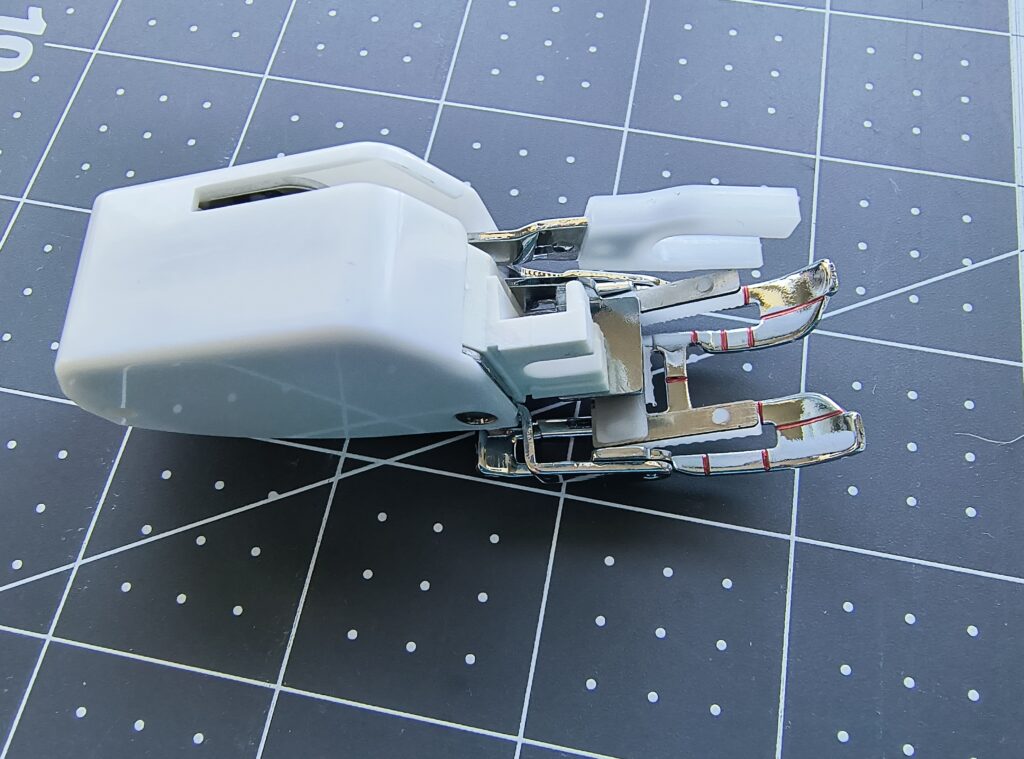
The quilting foot is an extra foot for your machine to help feed all the layers through the machine evenly. It is needed when you have a sandwich of fabric and quilt batting, that you are trying to quilt. Without it, you will get lops or wrinkles to form, usually in the backing fabric.
Steps To Begin Quilting
As with anything you try, “practice makes perfect”. Take your time and go slow. Start with something small, like a wall hanging or table topper, or use scraps to practice on.
Supplies:
Most basic sewing machines can quilt your project.
A must have is a quilting foot for your machine. Go to your local quilting shop and get some help or look online to find the foot that works with your machine. Check first to make sure one didn’t come with your machine. They usually are extra.
Always start with a new needle. Needles should be changed around every eight hours of sewing. A quilting needle is great, but if you don’t have one it’s okay. I use my 80/12 needles most of the time.
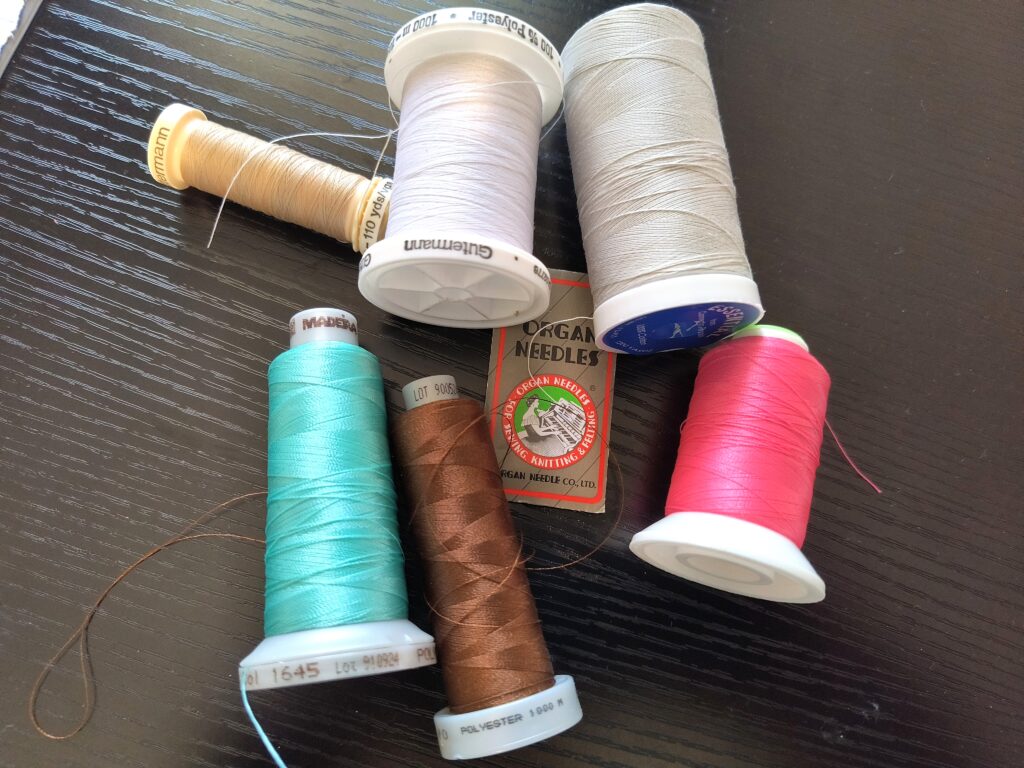
Use a good quality of thread. Try Cotton 40wt.-50wt, or I usually use polyester thread for everything. It is very strong, stretches slightly so it doesn’t break easily. I’ve never had any issues with it. I also like to use invisible thread at times. It can be a little harder to use so I wouldn’t recommend it for a beginner. Finally, you want to use the same thread in both the top and bobbin. Always pick a color that blends with the fabric, to begin with. You may need a different color in the bobbin to match the backing, and that’s okay, as long as it’s the same type of thread that’s on the top.
Sandwiching The Layers:
You will want the backing and batting to be at least two inches wider on all sides of the quilt top. Fabrics can stretch or shift. If you don’t have that extra batting and backing you could end up with some of the sides of the quilt top without the batting and backing underneath.
If you use safety pins, then I like to tape my backing wrong side up down to the table or floor free of wrinkles or use clamps to clamp it to a table. Lay the batting on top. Finally, lay the quilt top right side up. Start in the center and place safety pins a few inches apart pinning the top to the backing, through the batting. I try to place them where I won’t be sewing as much as possible. To do this you will need to know how you will be quilting the project. Don’t sew over the safety pins. Remove them as you go along.
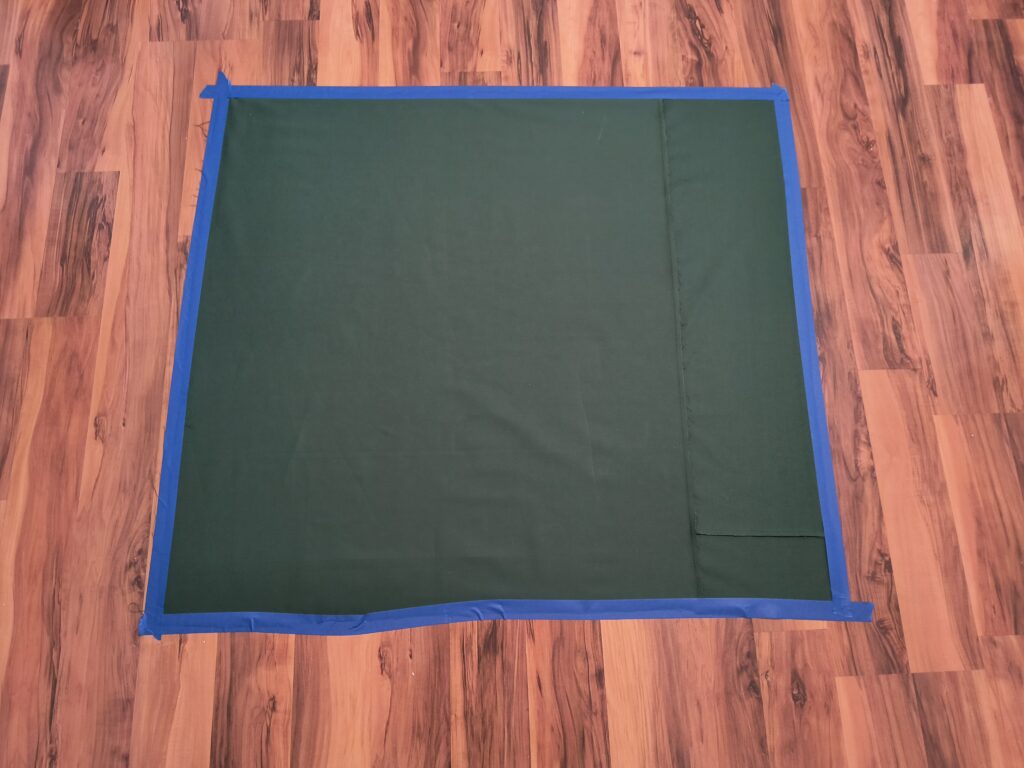
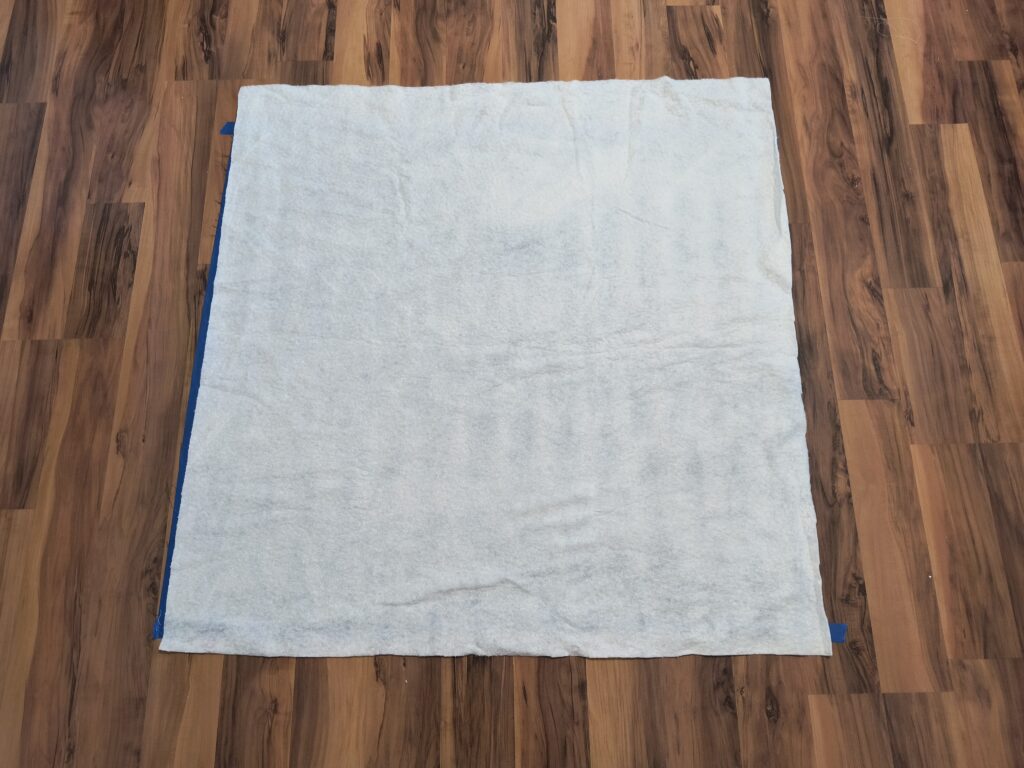
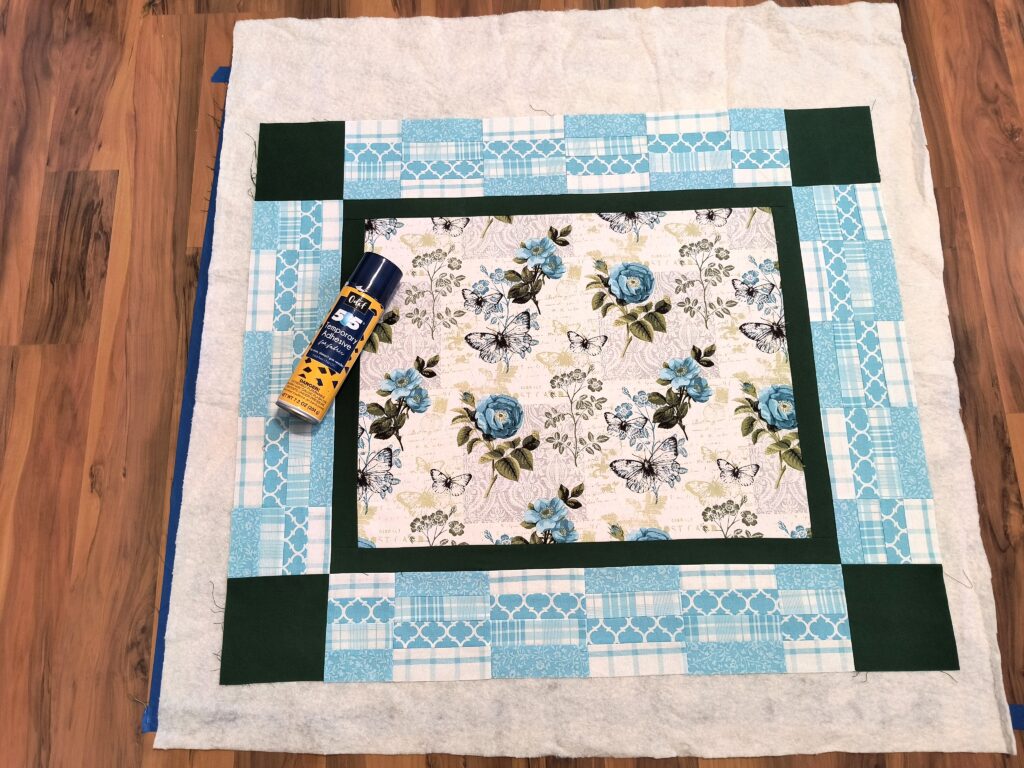
Basting spray is another way to hold the quilt sandwich together. It is faster and works well, especially if you don’t have any friends around to help you pin! It’s important to keep all layers smooth without wrinkles.
I basted this quilt sandwich together, but followed the same process that I would if I was pinning.
Deciding On What Type Of Quilting You Will Do:
You are limited to “straight” line quilting with a walking foot. Look at your quilt and decide what would look best with the design of the blocks. Choose from vertical lines, horizontal, diagonal, or a combination of these. You may decide to “stitch in the ditch” although I find this hard. It’s difficult to stay in the ditch. I prefer to stitch to the left and right of the ditch about a quarter inch.
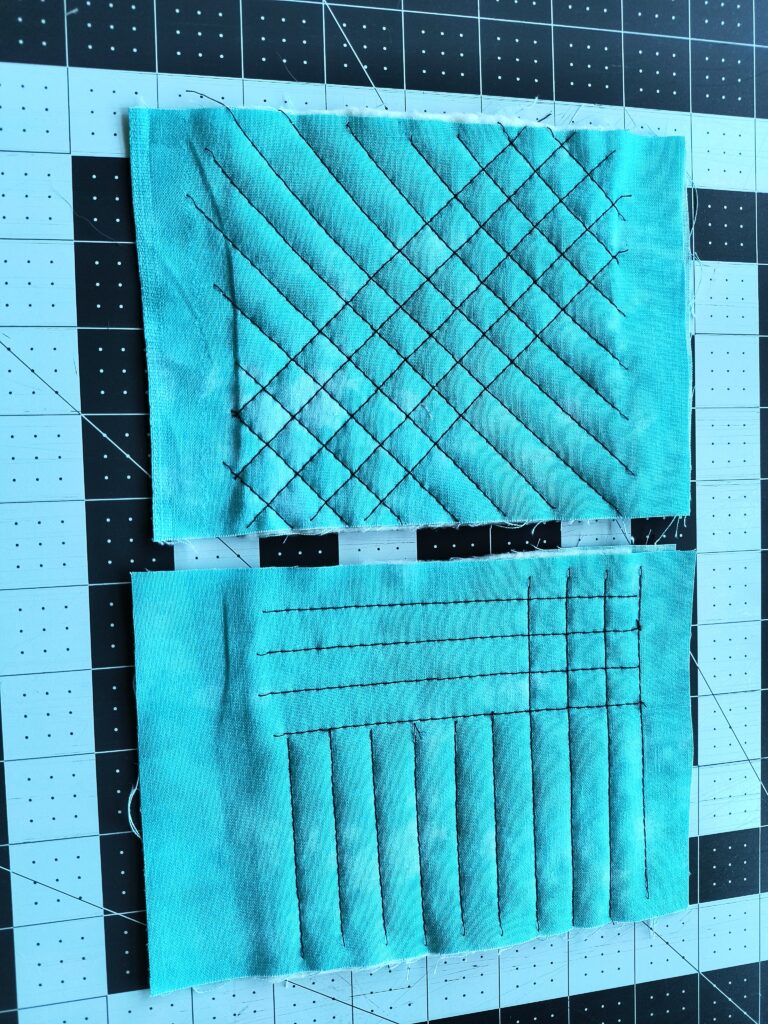
Before You Begin:
Here are a few tips that are helpful.
Use a sample sandwich to check your stitches and tension. I always use a large stitch, 3.5 or 4 on my machine.
Using a fabric with a busy pattern on the back helps hide your mistakes.
Bringing the bobbin thread up to the top before you begin helps eliminate those thread nests on the bottom.
Knot the thread when beginning and ending.
Besides the straight stitch, I’m able to do the “wave” stitch with my walking foot on and I like using that especially in borders.
Bring a table over on the left side of your machine to help hold the quilt as you sew down the right side.
It’s best to start quilting in the middle of the quilt if you can and work your way out from there.
You can mark your sewing lines on the quilt, but I find blue tape works great and you don’t have to worry about it not coming out. Measure how far apart you want your sewing lines and place the tape. Sew along the edge of the tape strips.
Conclusion
Completing a quilt entirely on your own from start to finish is so rewarding. I hear people say they make quilts but have never quilted their own quilts. They only sew up the tops and take them to have someone else quilt them. I understand this. Quilting is something that takes practice and patience. Wrestling the quilt under your machine can wear you out! I find that any quilt over a “throw” size is too much for me to wrestle with. I have to have someone else quilt those, but most of the smaller sizes I like to do myself.
Please don’t forget to join the Facebook Group, Quilting Friends of Jerianns Handmade, LIKE & FOLLOW my Facebook page, Jerianns Handmade along with Instagram at Jerianns.Handmade. Have a great day, and
Always Find Time To Sew,

Thank you Jeriann – your tips are great for me since I am a new sewing crafter.
In years past I have done all kinds of sewing, but never quilting or sewing quilted crafts.
It has been awhile since I have done any sewing at all due to life issues.
I look forward to picking out patterns and materials. I only have a basic old sewing machine and ordered a walking foot.
Have a Blessed Day! and Thank you Again!!
Thank you Carole for your kind comments. I’m so glad you were able to glean some helpful information from my blog. As long as your machine sews well it will be fine and getting a walking foot is a must to quilt. I have several people who follow me that sew, but feel like they are beginner quilters and project creators. You are in the right place. I plan to start teaching different techniques on video to help with learning the process. I would love to have you sign up for my Newsletter, and follow me on Facebook at Jerianns Handmade! If you have any questions I’m always glad to help! I love being a part of your sewing journey. Always Find Time To Sew, Jeri Ann